[lang_cn]
序言
- 读指南之前不得不听的故事
“我们笃信在这个时代,任何知识的价值都会稍瞬即逝,老的知识经过分享才能产生新的知识,没有给予就不会有获得。”
“我们相信,好的创意只有通过开放给别人才能得到更好的升华,执行和扩展.”
“我们希望‘协作式工作社区’在中国真正能够改变我们的工作模式,思维模式和创新模式,而这种改变根本不是‘新单位’一家能够实现的了的,我们希望有更多的人和资源能够汇入这股变革的力量。”
“新单位”在中国和世界范围聚合并支持乐于“分享与合作”初期创业者和创新者,通过建立协作式工作空间与创意社区,我们致力于共同创造崭新的模式和方法来改变世界。
新单位旗舰店位于上海前法租界中心地带的一栋三十年代的美丽老房子,空间的内饰全部采用优雅的art deco风格,各个楼层不同的办公环境开放、舒适,除了可以享受高速安全的无线上网,VPN和专业打印复印、扫描服务,并可使用会议室与屋顶花园。
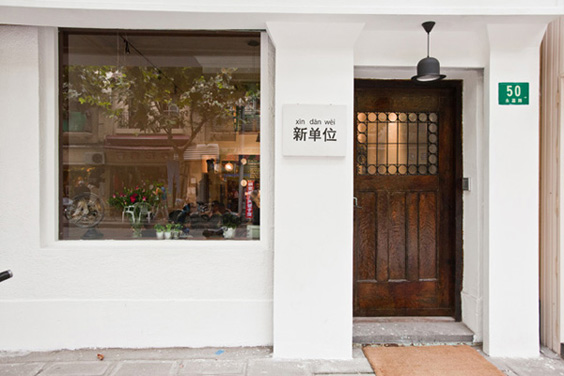
新单位协作式工作空间与创意社区将工作单位的效率性、功能性,网络平台的庞大、实时性与创意空间的社会性、活力、创意、趣味相结合, 让社区成员不必支付高昂的租金,就可以在一个真实的集体办公环境中工作, 拥有与他人面对面分享与合作的机会,让我们的工作与创造过程更有效率,更多创意,更加快乐。并且,通过对新单位工作社区做出的贡献与创造,人们还可以获得 实际的信用积分和奖励。
新单位的诞生和成长
新单位是2009年7月1号开张的。这之前的几个月里,陈叙,阿角和刘妍对在中国建立分享协作式办公社区的这个想法激动不已,写了厚厚的一个提案东奔西走找场地合作方游说,目的就是无论如何也要将这个想法在上海实施出来给别人看看。最终,在上海映巷创意工场老总/著名时尚摄影师宋波先生的帮助和撮合下,我们在长宁区定西路映巷创意工场的四楼拐角的两百多平米的空间了产下了这个孕育了一年多的婴儿-“新单位”。
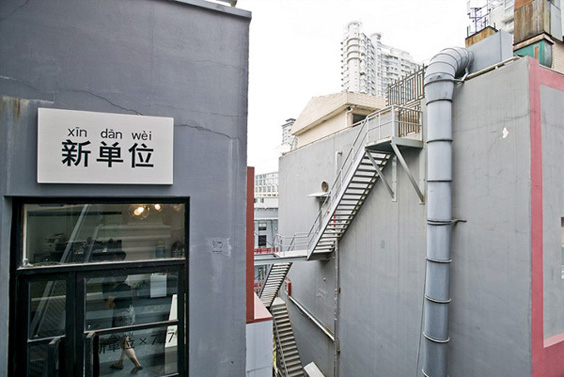
不用说,这个婴儿的培育是艰辛的。虽然在国外有一些好的案例,但“协作式工作社区”本身毕竟不是一个有丰厚利润的商业模式,国外的成功的先驱者大多是凭借外力获得了丰硕的回报,并且中国的文化与国情不同,创意共享和协作式创新在国内还鲜人知晓,更没有什么模式可以借鉴,对于我们这个没有什么雄厚资源和人脉的年轻团队来说,建立并持续推动一个专注于此领域的社区的困难是不可想像的。
不管前面是沙漠还是绿洲,我们团队人人心中充满热情,顶着各种压力一咬牙就干起来了,一干就干了两年多。从“新单位”战略规划,活动策划,空间设计到一枚松动的钉子,一块脱落的墙皮,我们事事亲自动手,身先士卒,从中花了大量的时间精力和汗水,也在这种亲力亲为中积累了做社区,做商业,做创意等等的经验和知识。
两年了,我们最终实现了“在中国建立了一个协作式办公社区的雏形”的短期目标!来过新单位的人个个当起“新单位”的宣传大使,“新单位”获得了将近百家的知名媒体和无数独立 blogger 的赞誉和传播,在国内外的创意产业,新媒体以及互联网行业积累了大量口碑。到今天,我们的常用付费会员已经达到了近千人,在网络上同时有超过五千人的新单位社区成员在密切关注新单位的讯息和发展,我们的社区成员从设计师到艺术家,从社会企业家到互联网业精英,从教育工作者到工程师,真正形成了一个打破行业和专业界限的跨领域社区。另外,与 Grasslands 团队合作的“新单位绿色”空间也在紧锣密鼓的筹备当中,这个项目为投身于环保,可持续性及有机健康生活方式的创业者营造协作式工作环境和社区,将在今年年底正式开幕。
为啥要写这本指南?
渐渐地,随着我们模式地不断调整与深化,我们开始吸引更多来自各个领域各种人群的目光和兴趣。有些人还在“脑力风暴”阶段,想知道“新单位是怎么做的”;有些人已经在建立自己的“协作式工作社区”,想知道他们是否能从我们身上吸取和借鉴到一些有用的东西;还有些人干脆就问我们是否可以把“新单位”模式直接引入他们的社区和城市。
从一开始的文艺理想,到今天的口口相传,我们如今每天都被来自五湖四海的热情邮件电话短信微薄和活动邀请所包围。为此虽然我们感到开心和自豪,但困扰我们的是做为一个小的不能再小的团队,我们根本没办法有太多的时间和资源去逐一回复这些询问或者参与这些活动。我们竭尽全力通过各种渠道去分享我们的知识和经验,但慢慢地我们感觉到我们需要尽快制定出一套好的方法来支持这些日益增长的协作式办公社区“思考者”和“行动者”,并从中找寻并建立长期的合作伙伴。
于是,我们就创造了这一个“协作式工作社区” DIY 系列指南。瑾献给所有关注支持和参与新单位发展的“新同事”和粉丝们!
分享这本指南的目的是为了分享我们的成长经历,让更多的人从中受到启发和鼓励。做为“分享协作式工作社区”的创立者和推动者,我们自己也时刻遵循开放共享的原则,随时随地把自己的想法和经验分享给想成立类似空间的创业者。”我们希望“协作式工作社区”在中国真正能够改变我们的工作模式,思维模式和创新模式,而这种改变根本不是“新单位”一家能够实现的了的,我们希望有更多的人和资源能够汇入这股变革的力量,在全国各地都能掀起一股“协作式工作社区”的风潮。而掀起这股风潮的最好方法就是完全开放我们的经验模式和方法,从而鼓励和支持更多想我们这样有激情有动力的朋友,创立新的甚至更好的“协作式工作社区”。
免费把自己的好东西分享出去图啥呀?
相信我们,我们做这个分享之前也是做过深思熟虑的。很多人都劝我们做出一个标准模式并加以复制和推广,甚至拿它去吸引投资和上市。如果选择了这条路,我们就不可能这么大大方方地搞什么“系列指南”了,所有的知识都将被锁进我们的文件柜。但是封锁知识违背了我们的原则:我们笃信在这个时代,任何知识的价值都会稍瞬即逝,老的知识经过分享才能产生新的知识,没有给予就不会有获得。因此,我们将开源我们的模式,把此指南纳入“creative commons”知识共享协议体系。我们要求我们的读者遵守 creative commons 知识共享协议。这代表着您必须保留我们的著作权,并告知我们您将使用,修改或者编辑那一部分。通过此举我们希望有更多的人在受益的同时,也将自己的知识共享给别人。
我们的故事还在继续
我们相信,好的创意只有通过开放给别人才能得到更好的升华,执行和扩展。我们衷心希望通过这本指南与您产生更好的沟通与合作,共同为建立一个开放共享的社会而努力。
当然,新单位还在成长。这里分享的经验只是我们从一个 idea 到实践初始阶段做出的小结。首先,我们将以 PDF 和 iApp 的形式将此指南公布于世。以后我们会随时对指南中的内容加以修正,并予以补充。我们邀请您参与我们的网上网下互动共同丰富这本指南的内容。
在此特别感谢加拿大社会创新中心的分享,我们在他们的网站上找到了他们”如何创造可以改变世界的空间”这本册子做为“协作式工作社区”DIY系列指南的蓝图,并在此基础上根据我们自己的经验和中国的国情加以修改编辑和整理,极大地节省了我们的时间和精力,在此表示深深的敬意。
同时感谢海沃氏家具有限公司,一家同样致力于推动“协作式工作社区“的全球公司,他们的热情参与和慷慨解囊才能让此指南以apps的形式出现在智能设备和手机屏幕上,让更多的人以更互动的形式接触到这本资料,也给了我们机会对其进行不断的调整于更新。
最后我们要特别感谢新单位的“新同事”和粉丝们。你们给予我们灵感,给予我们动力,给予我们支持,给予我们挑战。你们的激情,决心和创造力让这一切都变得有意义。你们才是我们做这本指南的原因。
一 、背景
营造改变世界的空间
为什么我们需要“协作式工作社区”?
社区(community)是群体发展的最高层次。它不同于一般群体。社区的特点在于,其成员之间不仅有着相似的目标,类似的利益或共同的兴趣,而且彼此之间联系密切,成员不仅要认识到社区活动对自己带来的利益,而且还要认识到对社区和整个社会的意义。在社区中,成员之间彼此建立有稳定、合作和相互友爱的关系。
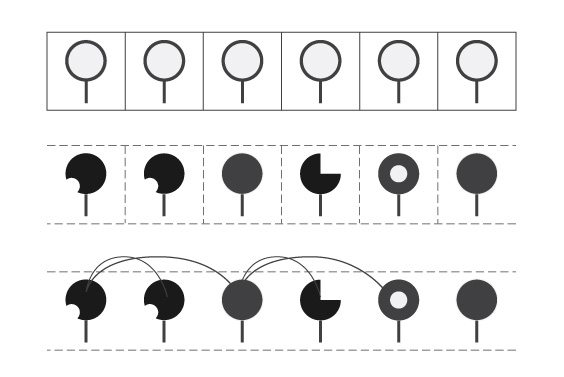
整个世界跨入创意经济,创意产业成为未来产业,创意阶层逐渐成为社会主导力量,大大小小的创意产业集群不断涌现。然而决定了创意产业集群能否真正走上可持续发展的道路首先必须考虑的就是集群中的个人之间、个人与环境之间能否真正产生互动形成一个社区以及产生什么样的社区互动关系,这是这个集群存在与否的先决条件。
随着知识更新速度越来越快信息越来越碎片化,创意阶层组织结构日趋分散,工作性质和形式日趋多样,自由度、随机性和流动性非常大,并且知识结构发生巨变,只具有单一方面的专业知识已经难以满足社会和市场需要,关起门来实现单一领域的创新和突破更是难上加难,跨界知识共享和最终用户创造力已成趋势。
初期创业团队和创意产业从业者往往是以个人或小型团队的形式来开展工作,根本无法承受昂贵的办公空间成本,他们依靠网络获取信息并自发地形成组织,然而网络并不能完全帮助他们脱离散兵游勇、各自为战的工作形态。
我们认为实现创新的最关键部分就是如何把来自不同行业不同知识背景的创意阶层的力量聚集起来,让他们之间产生交流于碰撞从而产生知识上的互补与灵感上的开拓,从而为创新制造契机。“协作式工作社区”除了提供充满创意灵感且价格合理的工作空间,更重要的是提供宽容开放并鼓励交流、合作与跨界的工作氛围,和初期创业者之间,创意工作者之间、创意社区之间的互动平台支持和引导这种互动。
“协作式工作社区”本身就是一种社会创新与变革。目前主流的工作空间模式将机构和个人作为一个个独立个体隔离起来,这种“格子”模式也许在很多时间和场合还有它存在的意义,但是它已经不再放之四海而皆准。工作本身正在发生变化,工作空间无疑也将随之而改变。这些改变将对从经济,社会,文化,环境各个层面带来不可想象的革命性冲击。
我们的基本模式
新单位通过这两年多的努力,逐渐总结出一套以共享式办公空间为基础,以协作式工作社区为重心,以创新孵化器为目标的基本模式:

共享式办公空间:人人都希望身处一个美好的环境,所以办公空间是“协作式工作社区”的基础。社区成员每天都需要在一个好的空间里工作,学习,相见,交谈和感受彼此的存在,它是我们所有活动的承载体。
协作式工作社区:在良好的空间里才能够建立良好的社区。当人们在空间中感到开心和舒适,他们才愿意花时间呆在这里和其他的人互动。例如一楼的新咖啡,它不只是一个喝咖啡喝茶的地方,大家可以在这里一起吃午饭聊天或召开一个小聚会,同时可以使用轮流式工作台和别人一起工作,这些都是发展社区成员关系的条件。再加上我们“新顾问”的引导,这些社区关系可以发展成为宝贵的社会资本和有效人脉。
创新孵化器:社区是实现创新的最关键部分。良好的社区关系奠定了成员之间进行大量沟通和分享的前提,在彼此信任和了解的基础,来自不同行业不同知识背景的成员们才可能把力量聚集起来,彼此进行知识和角度上的互补与灵感上的开拓,合作才可能发生,从而为创新制造契机。这正是新单位建立和开展“协作式工作社区”的终极目的。
新单位模式的基本特点
以创新为目标
新单位的目标是支持并促进创新。我们的社区成员以创意产业和互联网创业者为主体,我们的所有社区公开活动都是以鼓励分享,跨界,创新为出发点,吸引了来自各行各业的创业者,专业人士和学生。被誉为上海最重要的“创意中心”之一。
我们关注
我们关注的是一人到多人的初期创业者和创新团队。这些小型团队更需要一个共享的工作环境节省办公开支,同时他们对分享知识和人脉有更强烈的需求。
空间营造
我们理解空间及各种视觉设计在影响空间气氛和用户行为的重要性。我们自己发展出了一套视空间设计与管理的具体方法,在短短半年时间就将新单位成功营造成为上海的一个“城市热点”。
社区管理
我们的社区管理方法将新单位从一个“共享式办公空间”塑造成一个“创新孵化器”。我们工作的重点之一就是将这套方法发展的更加完善,成为独立的服务项目推介给其他的共享式办公空间。
二,找到你的商业模式
不管你的理想和愿景如何了不起,
你都需要一个好的模式进行实施!
我们的基本商业模式
1、分租模式
我们与创意地产开发商合作或者直接从他们那里租来一个空间或一栋楼宇,然后把它进行改造并分租给机构和个人。我们提供各种共享式办公服务为我们的客户节省办公成本。
2、平台模式
- 空间中介:我们与创意园区,地产开发商和各种空间持有者合作,将我们无法服务的客户介绍给他们,这类客户主要为活动及会展空间客户和大于8人以上的团队。
- 人才中介:同时我们与创意产业猎头公司合作将人才资源和各创意企业对接。
- 项目孵化:另外我们逐渐开始介入项目孵化融资,通过提供服务占有部分股份。
3、第三方服务模式
第三方合作针对社区成员的需求为其提供服务,主要包括:政策法律工商注册咨询,会展服务,设计制作,酒吧咖啡等餐饮服务
买还是租?谁来投资?你给投资人的回报是什么?
这些都是你要考虑的问题。新单位几位创始人毫无房产开发租赁的背景,当时第一选择当然是先租下一个空间把雏形先做出来。比较幸运的是我们遇到了上海映巷创意工场的总监宋波先生,他给予了我们大量的支持,不仅提供了相对比较便宜的空间给我们使用,而且不要求我们事先支付租金,减缓了我们现金流的压力。但平时除了租金和人员工资之外,还有很多隐形的开销:
-空间维护和维修费用
-普通空置率
-节假日空置(短租客户)
-空间各种文具和消耗品
一年之后,我们搬出了上海映巷创意工场,主要是考虑想在交通繁华地段造就一个设计更加合理的办公空间,引进更多的短租客户和餐饮服务。目前永嘉路50号的新单位旗舰店同样是长期租下来的空间,虽然我们的租金压力比以前大了,但销售额也明显增长,所以基本能够持平。
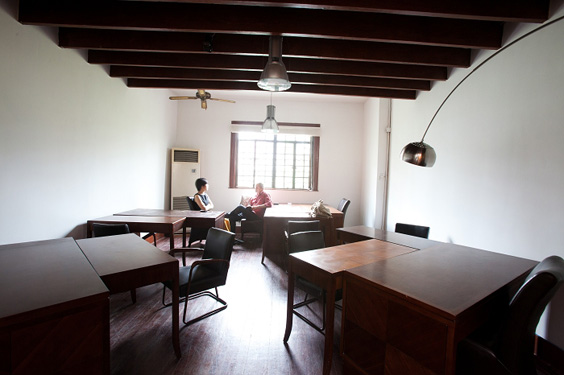
下一步,我们致力开发新单位空间服务,主要针对租期为一年以上的相对稳定的小团队。每个空间根据不同的入驻公司和他们的需要,采取个性化的配置与管理,通过与房产投资人合作的方式减少空置时需要支出的租金成本,只收取管理费用。
建议:
新单位旗舰店目前的规模是三百多平米,但是真实情况是:这里的收入和支持即使做到最好,也只能自负盈亏,我们靠这么小的空间根本无法赢取足够的利润进行下一步发展。我们的新空间全部以600平米为起点,以长期客户为主。我们并不完全否定小空间的成功机率,只是提醒大家要注意估算自己的风险。一般来说小空间做小时和几个月的短租客户利润更高,但是这种客户流动性太大,很难对销售额做出估算进行有效的规划,所以风险总体较高。
三,营造空间
一个成功的协作式办公空间的每一个细节都需要精雕细琢。
在这过去的两年多里,我们在预算极端有限的情况下对空间设计和布置进行了很多尝试,有些比较成功,有些不怎么成功。这个章节我们分享给您一些我们自己营造空间的经验和教训。
时刻铭记您营造的空间不只是一个工作空间,这里同样是个社交场所,所以要注意从环境塑造,社会心理,视觉效益多方面进行考虑。尤其是细节上,绝对不能敷衍了事,每一个细节都应该与你想创造的社区的文化和气氛相吻合。
#1 选址
选址绝对是空间选择的最重要一步.以下是我们选址考虑的因素:
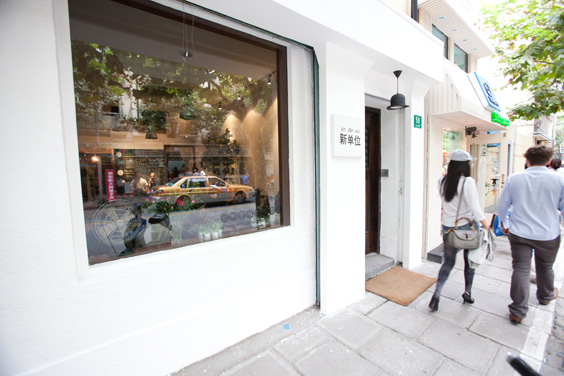
-公共交通方便,离市中心越近越好。
-离我们的目标客户住处近。
-闹中取静,容易被找到
-有一定的文化氛围
-附近有便利的餐饮与专业服务
-附近容易找到合适的住宿。
-绿化好
-治安状况良好
#2 建筑物
建筑物是空间选择的第二重要因素。客户对新单位建筑的反馈如下:
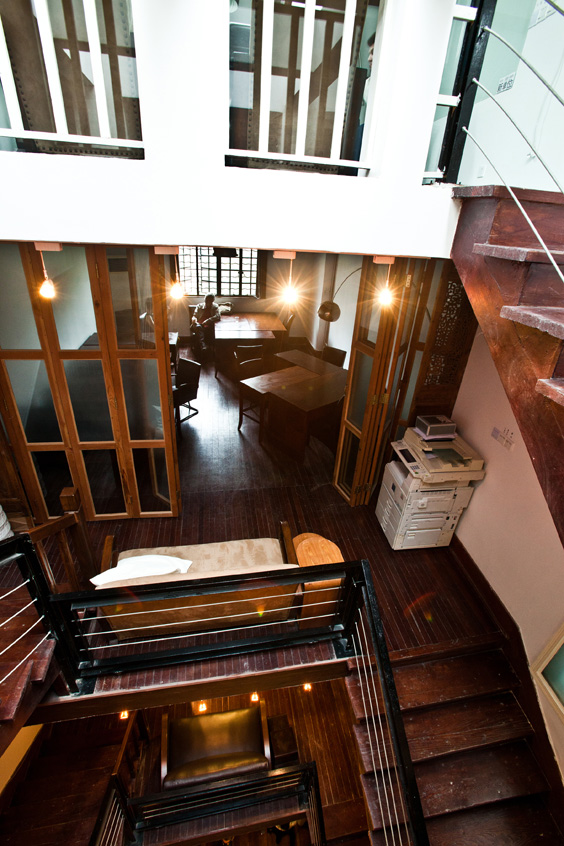
-“别有洞天”,有个性,像个小型博物馆
- 历史建筑,有故事和人文气息
- 布局合理,大小适中
除了以上这些,采光/通风/保暖性能好也是对建筑物的基本要求。
#3 规划
在进行空间规划时,要考虑以下几个看似相反但却必须相容的因素:
- 集体vs私密:虽然是个共享办公空间,但仍然有可能提供一些不同大小的封闭空间进行会谈,会议或工作坊
- 固定vs流动:固定的办公空间一般是提供给半年以上的长期用户,流动的办公空间最好放在比较靠近走道的地方,以避免彼此影响和安全隐患。
- 安静vs热闹: 除了有安静的办公场地,空间中必须有个场地让大家自由地进行交谈,放松。新单位的二楼到六楼都是安静的办公场地,但一楼新咖啡和屋顶花园露天给大家提供的放松聊天的场所。
-专业vs想像力:空间既要保证有一定的“专业性”,又不能太死板,需要有些好的元素能够刺激用户的灵感和想象力。例如:新单位利用大面积黑板和日光灯的不同组合来解决。
-统一管理vs自主管理:做为一个社区,新单位提供给其成员自主管理的空间,比如打印自动投币,储藏柜,冰箱微波炉,公告墙自己张贴通告,等等。其他例如空间文具及供给,绿化,维修等等由新单位统一管理。
-功能vs利润:及时功能完善,也要考虑利润最大化的因素,比如:
为减少会议室空置率,会议室的设计必须考虑外来人员的使用需求;办公家具最好能够易移动易折叠易组合,办公空间也可以用来搞活动和会议。
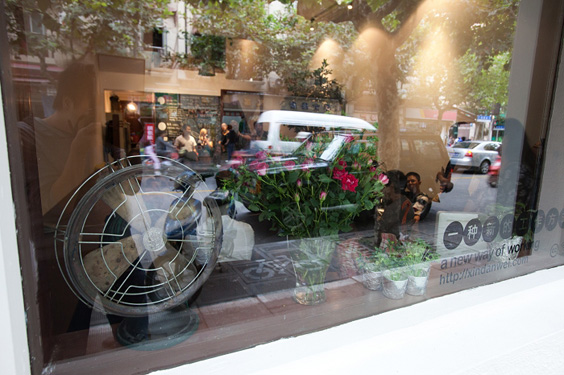
- 美吧?我们人人都喜欢美好的东西。空间需要让人感到有趣,开心和健康。
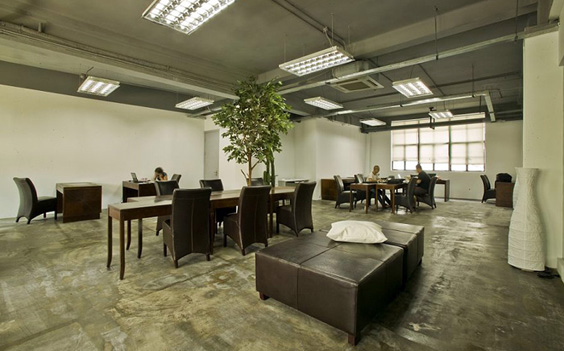 -不要有墙!玻璃既可以让空间看起来更豁亮通透,又可以鼓励更多开放和沟通。
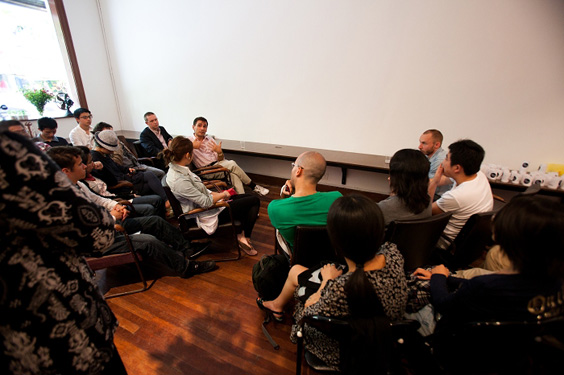 -社交场所:很多生意是在社交场所谈成的,而不是在会议室里。
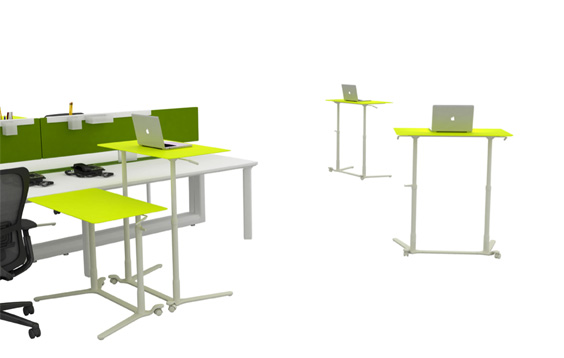 -家具:舒适,有趣,易移动,易折叠,易组合。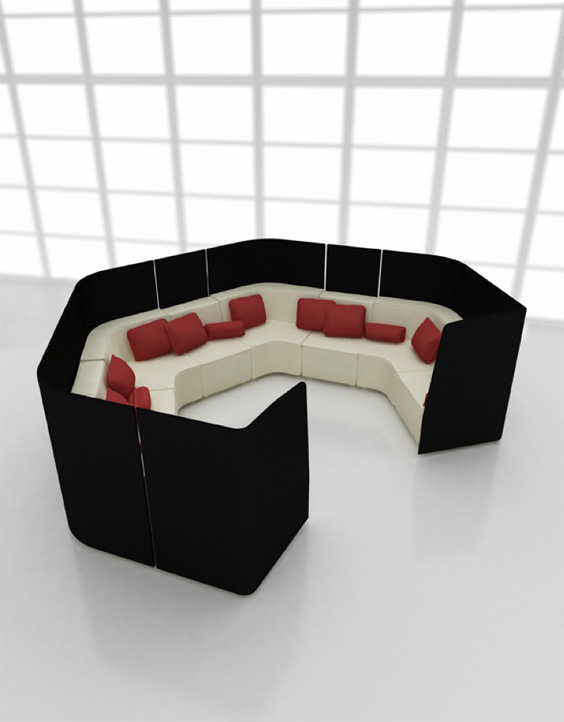
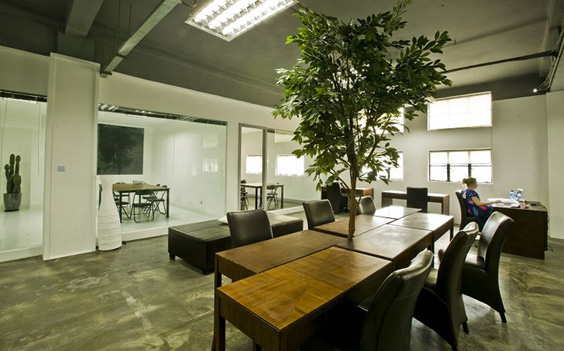 -植物:如果你没钱买艺术品和小摆设,有趣漂亮的室内植物是最没有争议的替代品。
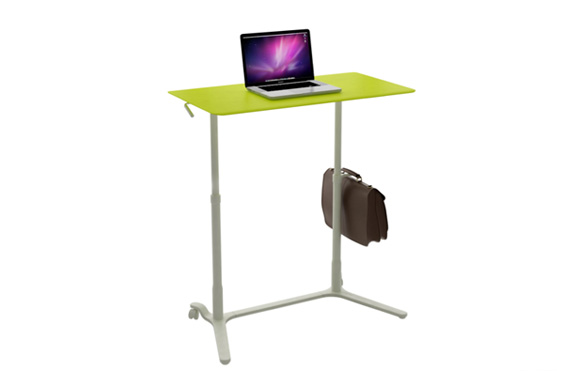 -结实:空间的所有家具都将会被无数个人频繁使用,它们的质量可一点都不能含糊。
 -咖啡:越来越多的人对这种褐色液体上瘾,如果能够提供高品质的咖啡,你真的可以吸引很多来这里“上班”的回头客。
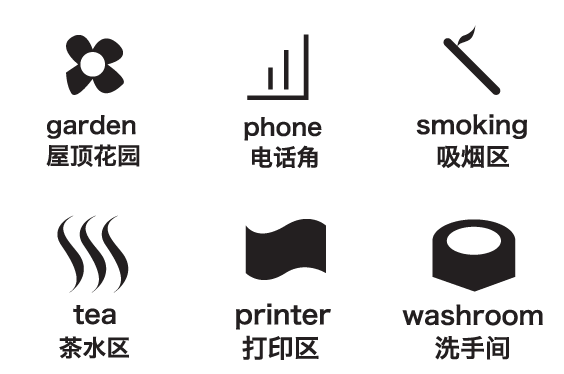 -标签:如果每天有十个以上人问你马克笔在哪里,你就意识到标签对于一个鼓励自我管理的社区的重要性。一句简单的提醒,一个明确的使用说明,每天会节省你不少解释的时间(但并不是全部)。
#4 安全
安全是空间的最基本保证,绝对不容忽视。用户在空间时必须感到舒适安全,以下是我们在保证空间安全的一些经验:
-总门禁密码只针对长期用户开放,两星期更换一次。指纹门禁也是个不错的选择,比较易于管理。
-将社交会议场所和办公场所分开,避免非长期用户在办公场所出入。
-实行“干净办公桌”制度,提醒所有用户不要把自己的个人物品在下班后丢在桌子上,并时刻保管好自己的贵重物品,不要把电脑手机钱包放在无人看管的地方,并随时照应旁边用户的财物。
-给每个长期用户提供带锁文件柜。
-实行古板有趣的前台打卡制度,保证外来人员和访客留下记录。
#5 噪音
在共享办公室,噪音是最难管理的因素之一。这里虽然不需要像图书馆一样鸦雀无声,但是必须太多的噪音将影响到工作的效率和心情。
-建立噪音制度,包括告诉空间用户哪里是安静区域,哪里是交谈区域,哪里是电话区域。
-提供电话区域和交谈区域。
四,商业规划
你可能不是为了纯赚钱,
但是如果你不把它当门生意做,你必将失败!
商业导向
要实现商业上的成功,除了有创业家的精神和远见,更需要有专业的执行团队。我们必须时时刻刻留意公司的财务状况和收支平衡。做为一个商业组织,我们需要推广和销售我们的产品,建立我们的品牌,将每个社区成员都当成客户看待,为达到和超越客户满意度而努力。
这样也意味着我们有时不得不做出一些艰难的决定,比如说提价,或者请不付租金的社区成员离开。但是这种决定必须在做完周全考虑之后进行,因为我们的客户都是非常小的团队,稍稍退让一步可能帮客户一个大忙,让他更加感到新单位社区的信任和温暖。
客户服务导向
任何成功的商业都是以为客户创造价值为导向的。我们的所有团队成员都致力于满足客户的需求。每天都会有客户向我们寻求各种各样的帮助和支持,有些是工作上的,也有些是个人方面的。我们的团队需要不卑不亢,热情大方,乐观幽默地去处理随时出现的每一个危机和矛盾。
那就是说,不管我们的团队手上有多紧急的工作,如果打印机出了问题,或者厕所堵住了,我们都会立刻放下手中的工作去帮客户解决这些问题。空间的正常运转是我们所有工作中最占优先级的一项。
自我服务导向
客户服务并不是指所有事情不管大小我们都替客户做掉。我们的另外一个重要的任务就是帮助客户进行自主管理。我们给他们提供信息,工具和各种方法让他们能够更容易地自己解决这些问题。从很大程度上,如果我们能够及时有效地帮助他们进行自主管理,我们将为我们自己节省大量地时间成本并提高工作效率。
定价
新单位服务的定价有两个级别:
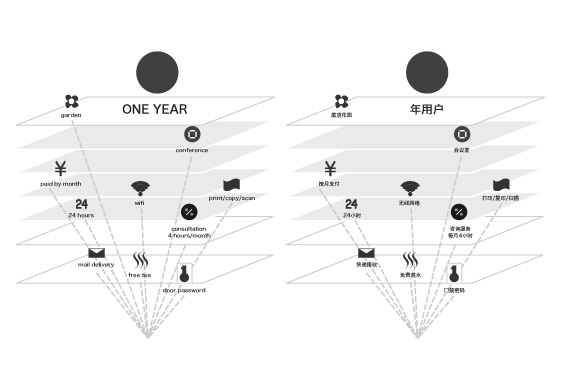
- 时间服务
使用新单位空间按时间计费,年客户和月客户支付的费用包括了独立办公桌,并可以有限制的免费使用会议空间, 同时可以拥有空间钥匙随意出入。关于独立办公桌的定价,必须把空间建筑面积(包括走廊,洗手间,厨房,会议室等等)全部包括进取进行计算,如果只有一半空间可以用来办公,那么价格订到每平方米价格的一倍就才能包住房租,在加上人力成本,家具成本,基本设施和水电成本,最后的价格肯定远远高于每平方的价格,所以一定要避免用平方米做单价来定价。我们用时间来定价的目的,也是想传递给客户一个讯息:我们不只是在租办公室给你,这里有远远超越于办公室的很多东西。市场上永远存在比我们更便宜的空间,我们必须坚持做好我们的服务,为客户创造比价格更有吸引力的价值。
- 空间服务
新单位|空间服务 是我们最新的创意空间服务,提供上海城区的各式不同的旧厂房和旧别墅改造空间,包括创意活动场地、灵活办公空间以及零售店址。尤其活动空间方面,将可举办多至200人的活动或会议。同时我们将为成功创业后的小型企业提供市中心范围内独立或共享的办公空间。
空间产品
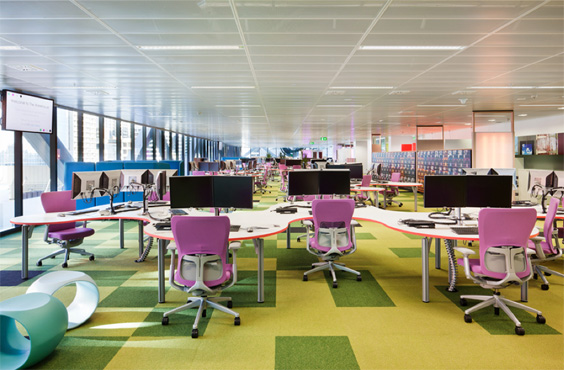
我们办公空间的大部分区域是给长期用户使用的。这部分用户的管理成本较低,并且能够比较稳定地营造社区文化。我们首先要保证这些客户的利益。
另外我们的一楼入口处还有一部分小时和咖啡用户的工作场所,它位于新咖啡里面,直接可以点咖啡和茶点。这部分客户的单价利润要远远高于长期客户,但是管理成本也非常高,销售压力很大。他们和长期客户的比例大概为二比八。
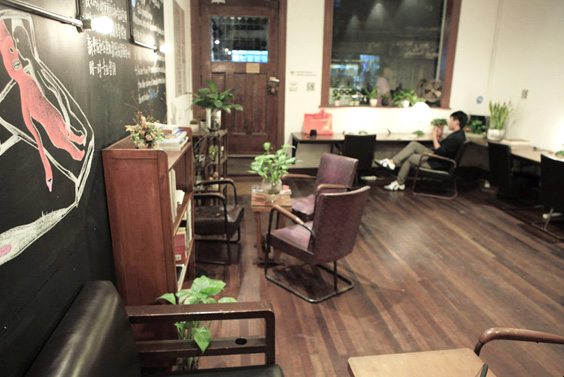
整体说来,当为产品定价的时候,除了要考虑自己的成本,也要基本于同行业顶级保持平衡。如果你能给客户创造别人无法提供的价值,你可以毫不犹豫地把它加在你的价格里。要注意的两点是:
1、长期办公室和轮流式工作台直接的价格差异要拉开。
2、一般来说,五人以下的小办公室比较紧缺,价格可以定得较高。
五,社区活动
我们通过激发人们的灵感并帮他们建立人脉将一个普通的工作空间变成了一个社区。

社区管理及活动是将一个普通的工作空间变成了一个协作型社区的主要途径,通过持续不断的活动和资源链接服务,新单位成为了一个激发人们灵感同时帮助他们建立人脉的社区中心。所有的这些活动和创造力都来自于新单位团队和社区成员之间持之以恒地沟通与协作,是我们的“新同事”和粉丝们不断地赋予新单位无穷的创意内容和人脉,同时新单位将这些创意内容和人脉又重新分享给是我们的“新同事”和粉丝们。
新单位的社区管理及活动主要分为日常的社区管理,“新顾问”,“茶话会”和公开活动。
日常的社区管理
日常的社区管理不仅仅由空间值班的社区经理来完成,新单位所有的团队成员都担有“社区管理者”的职责。做为一个社区管理者,他/她的角色就像一个主持人:因为他/她的任务除了是建立和维护一个温暖并具有亲和力的社区环境,还要推动并支持社区成员的发展,帮助他们找到解决问题的方法,这样的社区才会真正具有凝聚力。
除了日常的沟通和集体用餐郊游活动,我们同时通过“新单位消息”将大大小小的社区需求收集起来,发布给整个新单位网上平台,为大家收集信息和反馈。
另外,我们每月都会邀请新单位成员与整个新单位社区分享他们的梦想, 他们的工作以及他们对新单位的个人体验。并通过邮件和网上平台进行发布。
新顾问

“新顾问”是一项提供给新单位长期成员的一对一咨询服务,通过每个月一小时的深入会谈,我们的社区经理详细了解社区成员的工作发展和目前所遇到的问题和瓶颈,帮助他们与新单位平台的知识,人才和资源进行链接,获得“新顾问”团队及时有效的专业帮助和建议。
茶话会和公开活动

茶话会及公开活动是由“新同事”或新单位粉丝发起的不定期非正式交流活动。任何感兴趣的人都可以贡献或者参与新单位茶话会。任何人都可以把他的项目或这作品在新单位茶话会发布出来,从而与更多人分享。该活动的形式不限, 自由发挥. 茶话会及公开活动最大的目标就是为新单位成员创造一个分享观点,灵感激发,互换知识的平台。所有的新单位茶话会及公开活动都会在新单位网站和豆瓣新单位小站上进行发布和存档。
六,品牌塑造
品牌是我们社区精神和远景的最好体现。
品牌体验
好多人觉得品牌是个很商业的词汇。实际上,塑造品牌就是塑造个性,塑造一个能够有力融合语言,语调,颜色和图画来清晰表达社区精神和远景的综合体。一旦创造出来,你的品牌将成为你工作的一部分,影响着别人对你的认知,并指引着你的决策。
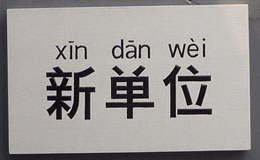
任何协作式工作空间都应该有它独特的个性:创造和维护这个个性是成功的关键。品牌的个性应该体现你的社区精神和远景。“新单位”这个名字体现了我们的目标:创造一个创新型共享社区。
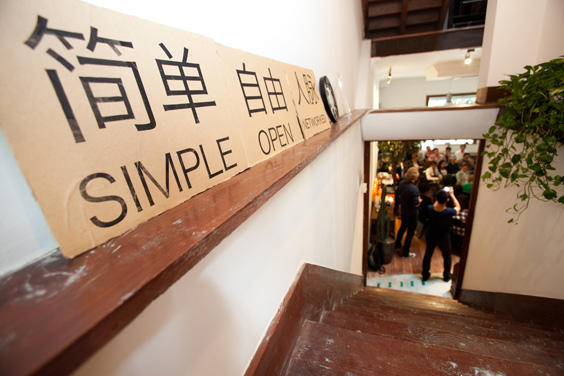
我们最基本的品牌策略就是:在所有能够看到和感觉到新单位的地方,无论是网上还是网下,图像还是文本,都能够让人领会到新单位的精神和价值观:创新,开放,简单,包容,与众不同。
帮助客户就是帮助自己
在塑造自己品牌的同时,千万不要忽视社区成员本身的品牌。水涨船才能高:帮助社区成员在新单位品牌成功的基础上成功推动他们品牌成功,是我们的任务,因为为他们带来越大的关注度,我们就会越成功。这也是一个协作式工作社区给每个社区成员带来的实际价值。

- 鼓励社区成员在他们的宣传材料中提到他们和新单位的关系。
-允许社区成员合理使用新单位的标识。
-通过各种渠道将社区成员介绍给新单位的关注人群和媒体。
-将社区成员的分享通过 “新人物”在新单位网站进行推广。
-通过新单位“消息”推广社区成员的活动和新闻。
-在空间里张贴社区成员的标识和通告。
七,超越工作空间
许多协作式工作社区只关注他们自己的社区成员,新单位关注的不只是这些。
从成立新单位的那一天起,我们就决定把这个平台开放给每一个乐于分享合作或者只是对我们事业好奇的人们,我们提出了“一种新的工作方式”的口号,致力于改变在上海,中国乃至世界的封闭,各自为政,且过份控制知识产权的工作环境。
我们相信“人以群分”这句老话,不为来新单位工作的人设立门槛,不把我们的标准强加给我们的社区成员:只要遵守这里尊重友爱的道德准则,我们欢迎每个人加入。同样的标准同样适用于在这里发生的分享活动:我们将我们的活动场地开放给每一个人,任何人都可以在这里组织他们的聚会和分享活动,我们对活动内容和参与人不做任何规定,在法律,空间和时间允许的情况下,我们甚至鼓励自由发挥。
在这种社区文化和机制的支持和引导下,新单位逐渐成为各行各业来自不同国家和城市的人士在上海聚会的首选据点之一,新单位更被誉为上海最重要的“创新中心”之一。
除了支持在新单位持续召开的诸如Barcamp, Architect for Humanity, Netimpact, TechYizu等支持创业与创新的工作会议与分享活动,新单位有侧重地参与了很多支持早期创业,DIY,新媒体艺术,社会创新,绿色环保的平台建设与发展。其中的“新车间”项目发展成为了中国第一个弘扬自己动手的创客文化和开源硬件实验室,同时支持绿色环保创业者的“新单位绿色”工作空间也会在年底正式开始运行。新单位曾受邀在Skoll社会企业国际高峰论坛向世界介绍中国社会企业的发展,同时是国际电子艺术大奖Prix Ars Electronica“数字社区”的评委。

结束语
营造一个协作式工作社区是一个美妙的旅途和体验。同时它也代表了无数的心血,汗水和不眠之夜。我们在这个过程凭着自己的执着和工作热情,边做边学,边学边做,从设计到管理,从社区建设到品牌传播,从领导团队到物业维护,虽然谈不上十八般武艺样样精通,但也凭着自己的努力积累了无数的知识和经验。
这本册子的撰写主要是用于支持所有想建立分享与协作工作社区的人们。所有的内容都是基于新单位这两年多的实战经验和教训。我们知道,您自己的经验,像我们的一样,将是独一无二的。我们不希望您完全照搬我们的做法,而是借鉴于我们的模式从而发展您自己的创新模式来服务于您自己的社区。
我们想听到您的声音!创造这个指南的目的就是为了抛砖引玉,引发更多关于协作式工作社区的实践和真知。我们的模式对您有帮助吗?您做了哪些修正?我们想和您沟通!我们想和您共同营造一个更大的协作式工作社区,我们想和您共享知识,经验和工具。请来新单位小坐或加入新单位网站,我们期待您!
别忘了,我们不只是在营造一个协作式工作社区。我们在改变世界。协作式工作社区只是在支持那些在改变世界的人们。通过我们之间的桥梁和纽带,我们能够更好地支持这些了不起的创业者。让我们大家携起手来一起走向成功!
欢迎加入新单位!http://xindanwei.com/signup [/lang_cn]
[lang_en]
0. Preface
- Be Sure to Read Our Story before Reading the Guide
“We believe nowadays the value of any knowledge can not last and old knowledge can only generate new knowledge through the process of sharing, and that there is no receiving without giving.”
“We also believe good ideas can only be valuable, implemented and expanded upon when shared with others.”
“We hope ‘Coworking Communities’ can actually change our working style in China, along with the way we think and the way we innovate. However, such change can not solely be achieved by ‘Xindanwei’. Hence we hope more and more people and resources will join in the momentum of change.”
“Xindanwei” mingles and supports startup entrepreneurs and innovators that are interested in “sharing and collaboration” in China and around the world. By establishing a coworking space and creative community, we are striving to create new models and methods to change the world.
The Xindanwei flagship workspace is located in the heart of Shanghai’s former French Concession area. It is an attractively decorated 6-storey lane house from the 1930’s, with antique art deco furniture, rustic wooden floors, ceiling beams & a roof terrace. It provides professional services such as open-plan offices, private conference rooms, a high-speed and secureWIFI connection, VPNs, along with printing, copying and scanning facilities.
Xindanwei combines the best elements of a workspace (high productivity and functionality) with a social media platform (hybrid, real-time, efficient) and a creative hub (social, energetic, creative). Xindanwei provides its community members with an open working environment and opportunities to share knowledge face-to-face and be inspired through collaboration with other members, without paying high rents. A Xindanwei membership is evaluated and adjusted based on the value of each member’s contributions and interactions within the community.
Birth and Growth
Xindanwei was opened on 1st July 2009. Before its opening, Chen Xu, Aaajiao and Liuyan wrote a proposal containing very specific details and spent months traveling around trying to convince premises owners to cooperate while maintaining the firm belief that whatever happens we will turn our exciting idea of establishing a community office space in China into reality. Finally, with the assistance of the famous fashion photographer and head of IIInShangHub727 Mr. Song Bo, we spawned “Xindanwei”. This baby had been conceived for over a year and its home is a space covering more than 200 meters on the fourth floor corner of IIInShangHub727, located on Dingxi Road in Shanghai’s Changning District.
Needless to say, letting the baby grow has become a real challenge. Although there are good examples abroad, Coworking Communities did not ultimately have a highly profitable business model at that time. Most of the successful pioneers abroad have gained considerable profit with external help. Besides, China has a different culture and background from western countries with creative sharing and coworking innovation being virtually non-existent in China and as such there is no relevant experience to refer to. For our young team that has no strong resources or business network, you can not imagine the difficulties we had to face in establishing and maintaining such a community.
Regardless of the difficulties we face, each member of our team is filled with passion. We have worked hard for over two years under varying levels of pressure and spent a large amount of time and energy to do everything by ourselves, from Xindanwei strategic planning to activity implementation, space design and even dealing with loose nails and paint peeling off the wall. Of course, we also gained a great deal of knowledge and experience in terms of establishing a community, doing business and being creative throughout the process.
After two years of effort, we finally achieved our short-term objective – establishing a Coworking Community prototype in China! With publicity provided from those who have visited it, Xindanwei has been highly spoken of by nearly a hundred well-known press and numerous independent bloggers. It has also developed a good reputation within domestic and international creative industries, new media and the internet industry. Up until today we have had nearly a thousand frequent paying members and over five thousand Xindanwei community members on the internet that pay close attention to Xindanwei’s news and development. There has actually formed a cross-sector community that breaks down industrial and professional barriers, with members ranging from designers to artists, social entrepreneurs to elite internet professionals and from educators to engineers.
Why do we offer this Guide?
As our models continue to be evolved and developed, we have attracted an ever-increasing amount of attention and interest from people in various fields. Some people are still “brainstorming” and wondering how Xindanwei works. Some people have already established their own coworking spaces and wonder whether or not they can learn useful things from us. There are also some people that have bluntly asked us if we could directly introduce the Xindanwei model into their communities or cities.
From a literary dream in the beginning to widespread recognition today, we now have our hands full every day dealing with passionate emails, phone calls, messages, blogs and event invitations from everywhere. We are happy and proud of this, but we are a really small team and unfortunately there is no way that we can spare so much time and resources to individually reply to the inquiries or participate in the activities. We do our best to share our knowledge and experience through different channels, but we felt we needed to gradually work out an approach as soon as possible to support this increasingly growing number of people that think about or want to join coworking and seek long-term partners from this group of people.
We therefore created this – A DIY Guide to establish Coworking Communities, which is dedicated to all coworkers and fans that support and contribute to the development of Xindanwei!
We created this Guide to share our development experiences and hope more people will become inspired and encouraged to do the same. As the founder and an advocator of shared coworking spaces, we always comply with the principles of openness and sharing and are more than willing to share our ideas and experience with entrepreneurs that intend to establish similar spaces. We hope Coworking Communities can actually change our working style in China, along with the way we think and the way we innovate. However, such change can not solely be achieved by ‘Xindanwei’. Hence we hope more and more people and resources will join in the momentum of change and a wave of Coworking Communities will rise up all over China. The best way to get the wave going is to fully share our experience and approach, thereby encouraging and supporting more passionate friends like us to establish new and even better coworking communities.
Why do we share our valuable knowledge and experience free of charge?
We spent a long time in thought before we decided to share this. Many people suggested that we should launch a standard model that can be copied and promoted and use this to attract investment and get our company listed. However if we chose that approach, we would not be able to produce this Guide and all of our knowledge would be locked up in our filing cabinet. Locking away this knowledge is against our principles: we believe nowadays the value of any knowledge can not last and old knowledge can only generate new knowledge through the process of sharing, and that there is no receiving without giving. Hence, we are sharing our knowledge and include this Guide in the “Creative Commons” system. We demand that our readers comply with the “Creative Commons”, which means you have to reserve our copyright and inform us of your use, or which part you wish to modify or edit. We hope this approach will encourage more people to share their knowledge too.
Our story continues
We believe good ideas can only be valuable, implemented and expanded upon when shared with others. We sincerely hope that through this Guide we will have better communication and cooperation with you such that we can mutually strive to build a more open society with a stronger sharing culture.
Of course, Xindanwei is growing. The experience we share here only represents our findings from formulating an idea to its initial implementation. We shall initially publish the Guide in pdf and iApps form but later on we may make amendments or supplements to the Guide. We invite you to participate in our interactive online and offline activities to complement this Guide.
We would like to thank The Center for Social Innovation in Canada as we found the “How to create to change the world space” brochure on its website and used it as the blueprint for this Guide. We modified and edited the brochure according to our experience and China’s background and this saved us a great deal of time and energy. I really appreciate their support on this project.
I would also like to thank Haworth Office Furniture, a global company that also promotion of Coworking concept. Its participation and assistance has enabled this Guide to be shown on smart equipment and mobile phone screens in the form of iApps, allowing more people to see this material and giving us opportunities to continuously make adjustments and updates.
And finally I would like to thank all coworkers and fans of Xindanwei, who have provided us with inspiration, motivation, support and challenges. Their passion, determination and creativity make everything worthwhile. They are the real reason why we do this.
I. Background
Creating spaces that change the world
Why do we need Coworking Communities?
A community is the highest level of group development, which is different from common groups of people. The main feature of a community is that its members not only share similar objectives, similar benefits or mutual interests, but they are also closely connected. Community members have to realize the benefits that community activities bring to them and the significance they have to the community and the entire society. In a community, a stable, cooperative and mutually friendly relationship is established between the members.
As the world has entered a creative economy phase of development and creative industries have become the industries of the future, the creative class has gradually become the leading social power and large and small creative industry clusters have emerged. However, the first consideration for whether or not creative industry clusters can achieve sustainable development is whether or not a community can be formed and what kind of community relationship is formed between individuals, and between individuals and the environment, which is the precondition for the cluster to exist.
As knowledge updates quickly and information becomes fragmented, the creative class structure becomes scattered with diversified working features and forms and a high degree of freedom, randomness and fluidity. Moreover, the knowledge structure has changed and it is difficult to satisfy social and market needs through only possessing knowledge in a single professional area. It is also difficult for people to innovate and make breakthroughs in a particular area when they are isolated. As a result, cross-sector knowledge sharing and end user creativity has become a prevalent trend.
Startup creative teams and people in creative industries often work as individuals or in small teams. They can not afford expensive office rents so they resort to the internet to obtain information and spontaneously form an organization. However, the internet can not resolve issues of nomadic and isolated working.
In our opinion, the key to achieving innovation lies in how to gather together innovators from different industries with different specialist knowledge and let them communicate to supplement their own knowledge and give them inspiration, thereby providing opportunities to achieve innovation. Apart from providing an inspiring workspace with at a reasonable price, Coworking Communities also provide a working environment that is open and tolerant, encourages communication and cooperation within various fields and provides a platform for interaction amongst startup entrepreneurs, amongst creative workers and within creative communities.
Coworking Communities represent a type of social innovation and reform. Current mainstream workspaces isolate the institution and individuals. There are valid reasons for having the cubical model in certain environments but it is not always the most suitable solution. Workspaces undoubtedly have to change in line with changes in a company’s line of work. Such changes will have an unimaginable and revolutionary influence on the economy, society, culture and the environment.
Our basic model
Through two years of effort, Xindanwei has gradually compiled a basic model which is based on Colocation and focuses on Coworking Communities, with the objective of creating an innovation incubator.
Colocation: Everyone wants to be in a comfortable environment, so office space is a fundamental element of a Coworking Community. Community members require a nice space to work, study, meet people, talk and feel each other’s everyday existence, so the office space is the carrier of all of our activities.
Coworking Community: A good community can only be established in a good space. When people feel happy and comfortable in a space, they are willing to spend time with other people within that space. For instance, the coffee shop on the ground floor is not just a place for coffee or tea, but a place where people can have lunch together or talk or hold a small gathering and they can also use hot desks to work with others. All of these are conditions that can help to develop the relationship between community members. With our “New Mentor” guidance, the community relationship may develop into valuable social capital and an effective social network.
Innovation incubator: The community aspect is the significant component that helps to achieve innovation. A good community relationship provides a basis for community members to communicate and share, and based on mutual trust and understanding, members from various industries with various specialist knowledge gather to share their knowledge and become inspired. When this happens then community members may decide to cooperate with each other which provides opportunities for innovation. This is the ultimate objective for Xindanwei in establishing and developing a Coworking Community.
Xindanwei’s characteristics
Taking innovation as the objective
Xindanwei aims to support and stimulate innovation. Our community members mainly consist of creative industry and internet entrepreneurs. All of our community activities are conducted to encourage sharing, build cross-sector connections and to help achieve innovation, and these activities have attracted entrepreneurs, professionals and students from across various industries. Xindanwei has been praised as one of the most important “creative centers” in Shanghai.
We focus on startup entrepreneurs and creative teams that consist of one or a few persons. These small teams need a shared working environment to save on costs and they have a strong desire for knowledge sharing and networking.
Space creation
We understand the importance that space and visual design have in affecting the environment and user’s behavior. We have developed a set of methods for space design and management and we transformed Xindanwei into an “urban hotspot” in Shanghai within just half a year.
Community management
Our community management method is to develop Xindanwei into an innovation incubator as opposed to just shared office space. One of our most important tasks is to improve our methodology such that we can provide an independent service that can be introduced to other shared office spaces.
Ⅱ Discovering Your Business Model
Remember: You need a good model to implement regardless of how great your dreams are!
Our business models
1. Sublease
We cooperate with creative property developers, or directly rent a space or a building from them and then carry out refitting work before subleasing to institutions or individuals. We provide our clients with various shared office services to save on their office running costs.
2. Platform
- Space agent: We cooperate with creative parks, property developers and various space owners and introduce clients to them whose requirements we can not satisfy. These clients are mainly teams that hold events or exhibitions and consist of more than 8 members.
- Human resources agent: We also cooperate with creative industry headhunting companies to connect human resources with creative enterprises.
- Project incubator: We have gradually engaged in project incubation and financing and hold shares through our provision of services.
3. Other services
We cooperate with third parties to provide services according to the needs of community members, mainly including: consulting services in respect of policies, laws and industrial & commercial registration, exhibition services, design and production services, and F&B services.
Buy or rent? Who will invest? How much will the return be for the investor?
You should consider all of these questions. Xindanwei’s founders have no background of property development or leasing. Of course we had to lease a space at first but luckily we met Mr. Song Bo who gave us a great deal of support by not only providing us with relatively cheap space but also requiring no advance rent payment which relieved pressure on our cash flow. However, apart from rent payments and staff salaries, there are still several costs that need to be taken into account:
- Space maintenance cost
- Space vacancy
- Space vacancy during holidays (short-term tenants)
- Stationary and consumables
A year later we moved out of IIInShangHub727 with the idea of creating a space with more suitable design in a busy area that could attract more short-term tenants and F&B services. The Xindanwei flagship workplace is now at 50 Yongjia Rd and we have a long term lease on the premises. Although we have to pay more in rent, our sales revenue is growing.
Our next move is to focus on developing Xindanwei space services targeted at relatively small and stable teams that will sign lease agreements for longer than one year. We shall offer individualized settings and management for each space according to the varying needs of corporate tenants. With the cooperation of the property investor, only the management fee shall be charged when the space is vacant and we shall not be required to make rent payments.
Suggestion
The Xindanwei flagship workplace has an area of over 300 square meters. However the truth is that even though we make the best of revenue and support, we can only break even and there is no way we can stick with such small spaces if we are to make enough profit to drive our future development. Our new spaces have a minimum area of 600 square meters and focus on long-term clients. We won’t completely dismiss the chances of succeeding with small spaces, we just want to warn you such that you can better estimate your own risks. Generally higher profits can be made with small spaces when offering leases in terms of hours or months to short-term tenants, but these clients easily come and go and thus it is difficult to estimate sales revenue and then conduct effective planning, so there is generally a high risk attached to small spaces.
Ⅲ Creating Space
A successful coworking office space must be exquisite in every detail.
Over the past two years and within strict budgets, we have put a lot of effort into space design and setting and saw mixed results. In this section, we will share our experience and lessons learnt when creating the spaces.
Bear in mind that the space you create is not just a workplace, it is also a location for social activities, so several aspects such as the environment, social physiology and visual effects should be taken into consideration. In particular, details should never be dealt with in a perfunctory manner and hence every detail should fit into the community culture and atmosphere that you want to create.
1. Location
Choosing a location is definitely the most important step for spaces. We consider the following factors when selecting suitable locations:
- Convenience for public transport and proximity to a city’s downtown area (the nearer the better)
- Close proximity to the residences of our target clients
- Easy to find
-Cultural atmosphere
- Close proximity to F&B and other professional services
- Availability of suitable nearby accommodation
- Good natural environment
- Safety and security issues
2. Building
The building is the second factor that must be taken into consideration when selecting suitable spaces. Here’s what our clients said about the Xindanwei building:
- It’s special, unique and looks like a small museum
- It’s a historical building with a rich culture and likely has an interesting story behind it
- It has an ideal layout with suitable dimensions
Except for the above considerations, adequate light, ventilation and good heat preservation properties are also basic requirements for buildings.
3. Planning
The following pairs of factors should be taken into consideration during space planning. These are opposing factors but must be mutually compatible:
- Public vs private: Although we are talking about shared office space, it is possible to provide different-sized enclosed spaces for conversations, meetings or studio purposes.
- Fixed vs floating: Fixed office spaces are generally offered to users who will take out leases for longer than half a year. Floating office spaces are better located near aisles to avoid disturbances to other users and hidden dangers.
- Quiet vs bustling: Apart from having a quiet workplace, an open area is also needed where everyone can talk freely to each other and relax. Xindanwei’s quiet workplaces are on the second to sixth floors. The coffee shop on the ground floor and roof terrace are open spaces where everyone can relax and chat.
- Professional vs imagination: The office space has to be professional, but should also not be too rigid. There must be some good elements that can motivate users and arouse their inspiration and imagination. For instance, blackboards and fluorescent lights occupy a large area at Xindanwei.
- Unified management vs self-management: As a community, Xindanwei provides its members with self-managed equipment or services. For instance, there are coin-operated printers, lockers, fridges, microwaves, notice boards where members can post messages, etc. However, stationary, office supplies, environmental maintenance and space maintenance are all managed by Xindanwei.
- Functional vs profitable: The office space needs to be functional, but profit maximizing factors shall also be taken into account, for instance:
In order to reduce meeting room vacancies, meeting rooms should also be designed for other uses. Also it should be easy to move, fold or combine office furniture and it should be possible to use workplaces for activities or meetings.
- This is beautiful, isn’t it? We all like beautiful things. Spaces should make people feel happy, joyful and healthy.
- No walls! Glass makes the space appear bright and clear and also encourages more openness and communication.
- Socializing area: Many business dealings are concluded in socializing areas and not in meeting rooms.
- Furniture: comfortable, fun and easy to move, fold or combine.
- Sofas: A smart move would be to place sofas in socializing areas. Everyone wants to sit on comfortable sofas.
- Plants: If you can not afford art works or ornaments, interesting and beautiful indoor plants can act as good substitutes.
- Firm: All furniture in the space will be frequently used so all furniture should be of very good quality.
- Coffee: An increasing number of people are becoming regular coffee drinkers. If you can offer high quality coffee, you may find that many of your clients stay for longer and that you attract a lot of workers to return to your space.
- Signs: If there are ten people every day asking you where the marker pens are, you will realize the importance of signs for a community that encourages self-management. A simple reminder or clear use instructions will save you a lot of time spent explaining things every day (though you will still have to spend some time explaining things to some people every day).
4. Safety
Safety should never be neglected. Users must feel comfortable and safe. The following points illustrate our experience in ensuring safety:
The entrance password is only given to long-term tenants and is changed every two weeks. Fingerprint entrance is also a good security method and is easy to manage.
- Separate socializing areas from office areas to avoid short-term users passing through office areas.
- Implement the “Clean Desk” system. Remind all users to not leave personal goods on the desk when they leave and to keep valuable goods on their person at all times. Also remind them to not leave computers, mobile phones or wallets in deserted areas and they should help to keep an eye on goods that belong to neighboring users.
- Offer each long-term user a locker.
- Implement the old-fashioned and interesting “clock-in clock-out” system at the reception desk to ensure visitors leave an attendance record.
5. Noise
Noise is the most difficult thing to manage in shared offices. Although it does not have to be as quiet as a library, too much noise may affect work efficiency and people’s moods.
- Establish a noise management system which includes informing users where the quiet areas, conversation areas and areas where users can make and receive phone calls are situated.
- Provide an area where users can make and receive phone calls and a conversation area.
Ⅳ Business Planning
You may do it not purely for money, but you will fail if you do not treat this as a business!
Business Orientation
Succeeding as a business means fostering an entrepreneurial and professional organizational culture and staff team. It also means keeping a careful eye on expenses and revenue – and receivables. As a business we need to market our services and build our profile, treat our community members as customers, and work to deliver above and beyond expectations.
It also means that sometimes we need to make tough decisions – like increasing rates or evicting members who can’t pay their rent – without apologies. But this “business orientation” must be softened in accordance with the realities of the customers we serve. Sometimes a little flexibility can go a long way and will ultimately better serve your needs and your mission.
Customer Service Orientation
In order to be a successful business you must serve the needs of your customers. Our staff team and our organizational culture are dedicated to excellence and to providing extraordinary customer service. We are pulled in a million directions by our members and clients, asking for support on professional and personal issues, demanding attention and service, and offering feedback or criticism of our actions. At all times it is absolutely essential to serve the needs of these customers – with diplomacy, expediency and a sense of humor.
Our staff team must be willing to drop whatever they are doing to immediately address any substantial problem that arises. In the end, your dreams of radical creativity are worthless if the printer isn’t working or the toilet is blocked; your first priority is a clean and functional workspace for members and guests.
Self Service Orientation
Customer service, however, does not mean that you cater to every whim or that you wait on members hand and foot. Your role is equally to empower members. Give them the information, tools and means to solve their own problems as much as possible. Meeting the needs of many customers on a day to day basis is an extraordinary challenge – this can be mitigated by finding ways to help members help themselves.
Pricing
There are two ways of charging for the services Xindanwei provides:
- Time Service
The Xindanwei workspace operates on a time basis. The monthly and yearly prices for clients include a reserved desk, free use of meeting rooms (with restrictions), and a key to access the office. When you set the price of reserved desks you must take into consideration the entire space (including passageways, toilets, kitchens, meeting rooms, etc.). If only half of the space can be used as office space, then the price should be set at double the rent you are charged per square meter so that you can cover your rental costs. After adding the cost of labor, furniture, basic facilities and utility bills, the total price charged to clients must be far higher than the rent you are charged per square meter, so you have to try to avoid using square meter unit prices when setting the prices you charge your clients. We set the price by time to deliver the following message to our clients: we offer you a lot more than just an office. There are always cheaper office spaces in the market. We must strive to excel in the services we provide to ensure our clients get good value for the package we provide them.
- Property
Xindanwei Property is our new service that provides creative event venues, flexible office spaces and retail locations in Shanghai. There is a strong emphasis on exhibition & event space where clients can host cocktail parties or conferences for up to 200 people. We also provide “started-ups” with independent or shared office spaces in downtown areas.
The Space
The majority of our space is dedicated to permanent desks and offices. They are easy to administer and provide a stable workplace culture. Our top priority is to ensure permanent desk and office users have enough room to work comfortably.
We also have hot desks at the ground floor entrance area in the coffee shop where you can order coffee or snacks. Although hot desks generate a much higher profit margin than the permanent desks and offices, they require higher levels of management and ongoing recruitment. The ratio between our permanent desk workspaces and hot desks is approximately 8:2.
In general, when you set prices for your products, in addition to your own costs you should also consider keeping prices in line with top level prices within the industry. Without hesitation you can include in your price the added value you create for your clients that others do not. However, you need to pay close attention to the following points:
1. A clear distinction should be made between the prices for permanent offices and hot desks.
2. Generally speaking, offices for less than five people are in high demand so you can set a high price for these offices.
Ⅴ Community Activities
Through inspiring people and helping them build their social networks, we turn a common workplace into a community.
Community management and activities help to turn a common workplace into a Coworking Community. Through constant activities and resource connection services, Xindanwei has become a community center that inspires people and helps them establish strong networks. All activities and creativity stem from the constant communication and cooperation between the Xindanwei team and its community members. It is our coworkers and fans that constantly help us to expand our creativity and networks, which we then share with our coworkers and fans.
Xindanwei’s community management and activities are divided into daily management, which includes “New Mentor” and “Chitchat”, and public activities.
Daily Community Management
Daily community management is generally conducted by the Community Manager, but all Xindanwei members have the same duties that the Community Manager has. The Community Manager acts as a host because apart from establishing and maintaining a thoughtful and harmonious community environment, his / her jobs also include promoting the development of community members and helping them to find ways to solve problems. This type of management is required to ensure the community remains cohesive.
In addition to daily communication, dining and outside visits with our community members, we also receive community requests through “Xindanwei Buzz” and publish them on the Xindanwei website.
Furthermore, every month we invite our new members to share with us their dreams, their work and their personal experiences at Xindanwei, which we publish through email or on our website.
New Mentor
“New Mentor” is our one-to-one consulting service provided to our long-term members. Through a one hour conversation with our members every month, the Community Manager is able to understand their work progress and the problems they are faced with. The Community Manager then helps them to connect with Xindanwei’s knowledge, skilled people and other resources, so they can obtain the “New Mentor” team’s timely and effective professional assistance and advice.
“Chitchat” and Public Activities
“Chitchat” and public activities are irregular and informal communication activities initiated by our coworkers or fans which any interested people can attend or contribute to. Anyone can share their project or pieces of work at “Chitchat” without any restrictions. Our “Chitchat” and public activities provide our members with a platform to share opinions, be inspired and exchange knowledge. All activities will be published and recorded on our website and the Xindanwei section of the douban.com website.
Ⅵ Brand Building
Our brand is the best reflection of our community spirit and prospects.
Brand Experience
Many people may think brand is a commercial word. In fact, building a brand is building individuality and a complex that can powerfully integrate languages, tones, colors and drawings to clearly express community spirit and prospects. Once a brand is built, it will become part of your work, have an influence on the understanding of others towards you and guide your decisions.
All coworking spaces should be distinctive – creating and maintaining their individuality is crucial to success. Brand individuality should reflect your community spirit and prospects. The name “Xindanwei” (literally means “New Work Unit”) reflects our objective – to build a creative community.
Our fundamental brand strategy is to enable people to understand Xindanwei’s spirit and values – innovation, openness, simplicity, inclusiveness and uniqueness – at all places and during all interactions where people can see or feel Xindanwei, whether it be online or offline, pictures or texts.
Helping clients helps us
You should never neglect community members’ brands when building your own brand. “When the river rises the boat goes up”. It is our job to help community members to succeed in their brand when this results from their success in Xindanwei because we will be more successful if they get more attention. This is the actual value that a Coworking Community brings to each community member.
- Encourage community members to mention the relationship between them and Xindanwei in their publicity materials.
- Allow community members to appropriately use the Xindanwei logo.
- Introduce community members to the groups and media across various channels that follow Xindanwei.
- Provide exposure to community members on the “People” section of the Xindanwei website.
- Publicize activities and news relating to community members through “Xindanwei Buzz”.
- Post community member signs and notices within the shared space.
Ⅶ More than Workspaces
Many coworking spaces only focus on their own community members but Xindanwei cares about more than this.
From the day Xindanwei was established, we decided to open our platform to anyone that was interested in sharing and cooperation or even those just curious about our business. We proposed “a new style of work” slogan and set about trying to change the working environment in Shanghai, China and even the whole world that is currently closed, isolated and excessively controls intellectual property rights.
We believe the old saying “Birds of a feather flock together”. We do not set any restrictions on the profiles of people intending to work here and never impose our standards on our members. As such we welcome anyone to join us providing they are friendly and respectful people. This also applies to the activities here – we open our spaces to everyone and anyone can organize their parties or activities here, we have no restrictions on activities or participants and we even encourage free creation subject to legal, time and space restrictions.
With the support and guidance of this community and its culture, Xindanwei has gradually become the first choice for people from different countries or cities within different industries to host parties and it has been praised as one of the most important “creative centers” in Shanghai.
In addition to supporting work meetings on starting new businesses and innovation, such as Barcamp, Architect for Humanity, Netimpact, and TechYizu etc., as well as UnConference and other activities that Xindanwei regularly hosts, Xindanwei places a particular emphasis on participating in building and developing platforms that support startups,DIY, new media art, social innovation and environmental protection. “Xinchejian” has developed into China’s first hacker space that encourages DIY and open source hardware. The “Xindanwei Green” workplace that supports start-up entrepreneurs in environmentally friendly industries will be opened at the end of this year. Xindanwei was invited to give a presentation on the development of China’s social enterprises at the Skoll World Forum on Social Entrepreneurship and was one of the judges for the Prix Ars Electronica “Digital Communities”.
Concluding Remarks
Creating a Coworking Community is a wonderful journey and experience. It also requires a great deal of effort and energy, and many sleepless nights. Throughout the process, with our persistence and passion we have worked on and learn about numerous areas from design to management, from building a community to brand marketing, from leading a team to property maintenance. Although we won’t say we are proficient in everything we do, through our efforts we have accumulated a large body of knowledge and experience.
We hereby provide this Guide, which is based on Xindanwei’s more than two years of experience, to support anyone that wants to establish a Coworking Community. We know your experience will be unique, just like ours was. Hence, we hope you do not exactly copy what we did. Instead, we hope you can learn from our model and then develop your own innovative model to serve your own community.
We hope to hear from you in the future. We have produced this Guide in the hope of inspiring more people and providing the necessary motivation for the implementation of more Coworking Community schemes and practices. Is our model helpful to you? What amendments have you made to it? We would like to talk to you. We want to create a larger Coworking Community with you and share our knowledge, experience and tools with you. We hope you will visit Xindanwei or join us online.
Please remember we are not just creating a Coworking Community, we are trying to change the world. Coworking Communities support those people who are changing the world. Join together with us so we can give better support to those amazing entrepreneurs. By joining together we can succeed!
We welcome you to join Xindanwei! http://xindanwei.com/signup
[/lang_en]
Here is my weebsite – startup accelerator
Comment by startup accelerator — September 6, 2021 @ 7:36 am